Pain Medication Options: Relief, Types, and Safety Guide


When sudden injury, chronic inflammation, or daily aches disrupt your routine, finding effective relief becomes a top priority. Pain medication plays a vital role in modern healthcare by helping millions manage discomfort, improve mobility, and regain their quality of life. However, with so many formulations available on pharmacy shelves, understanding how different pain relievers work is essential for choosing the right treatment.
Understanding the Types of Pain Medication
Pain relievers broadly fall into two main categories: Over-the-Counter (OTC) drugs and prescription medications.
1. Over-the-Counter (OTC) Pain Relief
OTC options are accessible without a doctor’s prescription and are best suited for mild to moderate pain.
-
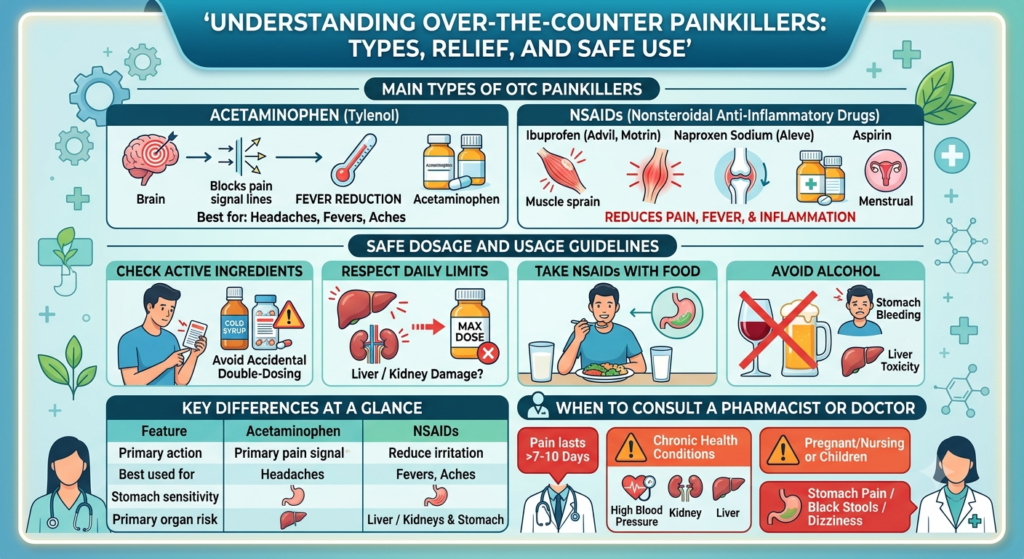
Acetaminophen (Paracetamol): Commonly sold under brand names like Tylenol, acetaminophen works by changing how the brain processes pain signals. It is an effective pain medication for headaches, sore throats, and fever, while remaining gentle on the stomach.
-
Nonsteroidal Anti-Inflammatory Drugs (NSAIDs): Popular NSAIDs include Ibuprofen, Naproxen, and Aspirin. These work by blocking enzymes that trigger inflammation and swelling, making them ideal for muscle sprains, toothaches, and arthritis.
2. Prescription Pain Medications
For severe acute injuries, post-surgical recovery, or complex medical conditions, stronger medications may be necessary.
-
Prescription-Strength NSAIDs: Used for intense inflammatory conditions when standard OTC doses are insufficient.
-
Opioids: Potent medications prescribed under strict medical supervision for short-term, severe pain relief due to the risk of dependency.
Key Safety Guidelines for Taking Pain Medication
While pain relievers are generally safe when used correctly, improper usage can cause side effects such as stomach ulcers, kidney strain, or liver problems. Follow these critical safety measures:
-
Adhere to Proper Dosage: Never exceed the recommended daily limit stated on the package or by your doctor.
-
Check Active Ingredients: Many multi-symptom cold and flu products contain acetaminophen or NSAIDs. Always read product labels to avoid accidental double-dosing.
-
Take NSAIDs with Food: Consuming anti-inflammatory pain medication alongside a meal or glass of milk helps prevent stomach upset.
-
Limit Duration: OTC drugs are intended for short-term use (typically less than 10 consecutive days). Persistent pain requires clinical evaluation.
When Should You See a Doctor?
Self-treating minor aches with an over-the-counter pain medication is safe for short periods. However, you should consult a healthcare provider if:
-
Your pain is severe, sudden, or unexplained.
-
Symptoms persist for more than a week without improvement.
-
You experience side effects like nausea, severe stomach discomfort, or dark stools.
-
You take daily prescription drugs that might interact with pain relievers.
Summary
Choosing the right pain medication requires understanding your body’s specific needs and the underlying cause of your discomfort. By following dosage instructions carefully and knowing when to consult a medical expert, you can safely manage pain and protect your long-term health.